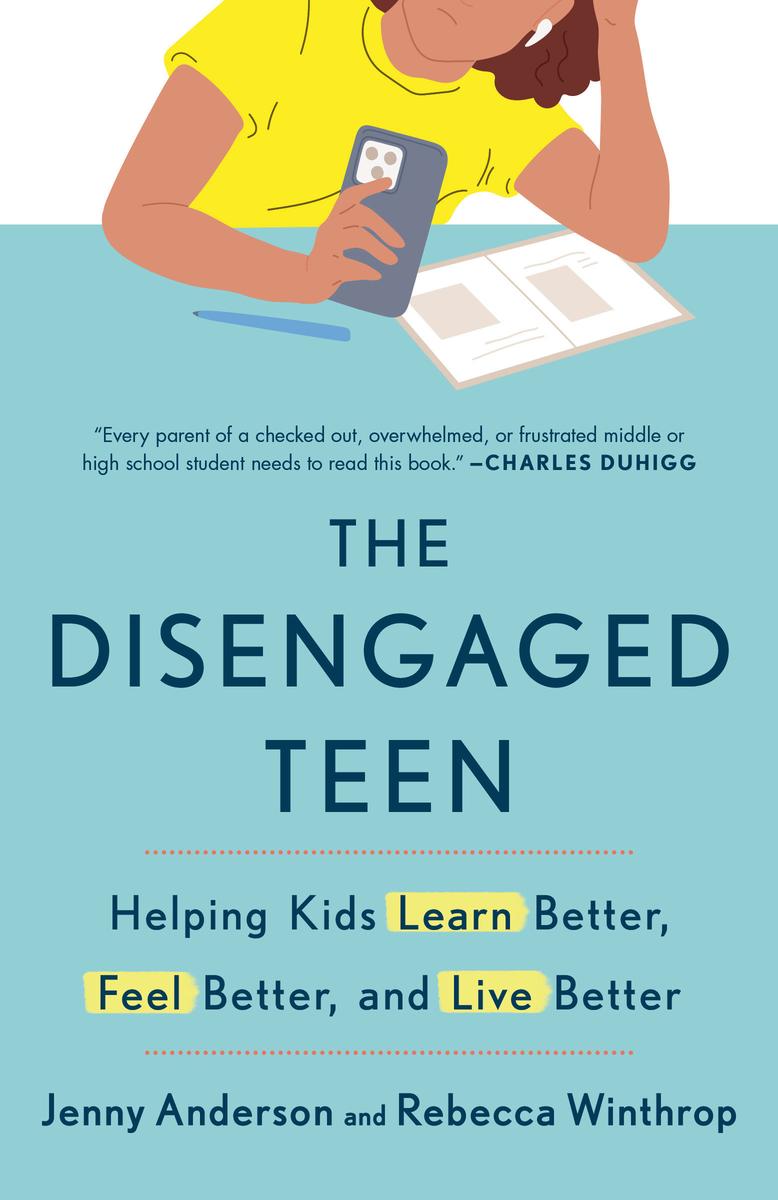
The Disengaged Teen: Helping Kids Learn Better, Feel Better, and Live Better
Crown
$20.00 + $9.99 shipping · or same-day in San Antonio
Checking available quantity…
Sold by Innisfree Bookshop · Meredith — delivered by Jockey courier Arrives Thu, Nov 5 – Thu, Nov 12
$20.00 shelf price + estimated tax + the shipping or courier fee for the choice you make, shown in full before you pay.
Shop multiple stores. Pay one delivery fee.
- Item
- Deliver to
- Delivery
- Total
Review your total before paying securely.
By Jenny Anderson, Rebecca Winthrop “Our education systems are shortchanging far too many teenagers. This book is brimming with insights on how to change that. It's an engaging, evidence-based, and practical read about how to develop a generation of lifelong learners.” —Adam Grant, #1 New York Times bestselling author of Hidden Potential and Think Again , and host of the podcast Re:Thinking A powerful toolkit for parents of both checked-out and stressed-out teens that shows exactly what to do (and stop doing) to support their academic and emotional flourishing. Adolescents are hardwired to explore and grow, and learning is mainly how they do this. But a shocking majority of teens are disengaged from school, simultaneously bored and overwhelmed. This is feeding an alarming teen mental health crisis. As kids get older and more independent, parents often feel powerless to help. But fear not, there are evidence-backed strategies to guide them from disengagement to drive, in and out of school. For the past five years, award-winning journalist Jenny Anderson and the Brookings Institution's global education expert Rebecca Winthrop have been investigating why so many children lose their love of learning in adolescence. Now, weaving extensive original research with real-world stories of kids who transformed their relationships with learning, they identify four modes of learning that students use to navigate through the shifting academic demands and social dynamics of middle and high school, shaping the internal narratives about their skills, potential, and identity: • Resister. When kids resist, they struggle silently with profound feelings of inadequacy or invisibility, which they communicate by ignoring homework, playing sick, skipping class, or acting out. • Passenger. When kids coast along, consistently doing the bare minimum and complaining that classes are pointless. They need help connecting school to their skills, interests, or learning needs. • Achiever. When kids s
Availability verified during our latest store check. If the item isn't on the shelf when we get there, the order is cancelled and you are refunded in full.
More from Crown
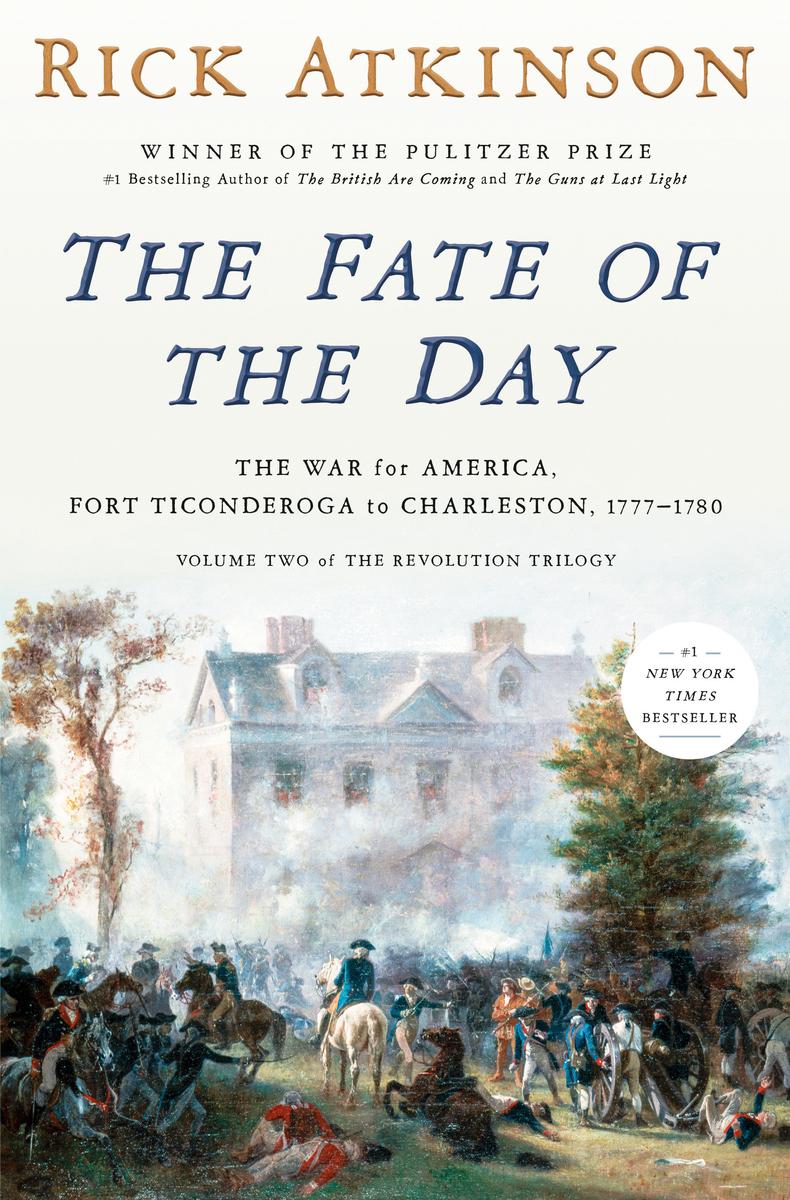
The Fate of the Day: The War for America, Fort Ticonderoga to Charleston, 1777-1780
Crown Sold by Crown · San Antonio — delivered by Jockey courier today by 8 PM $42.00 + $9.99 delivery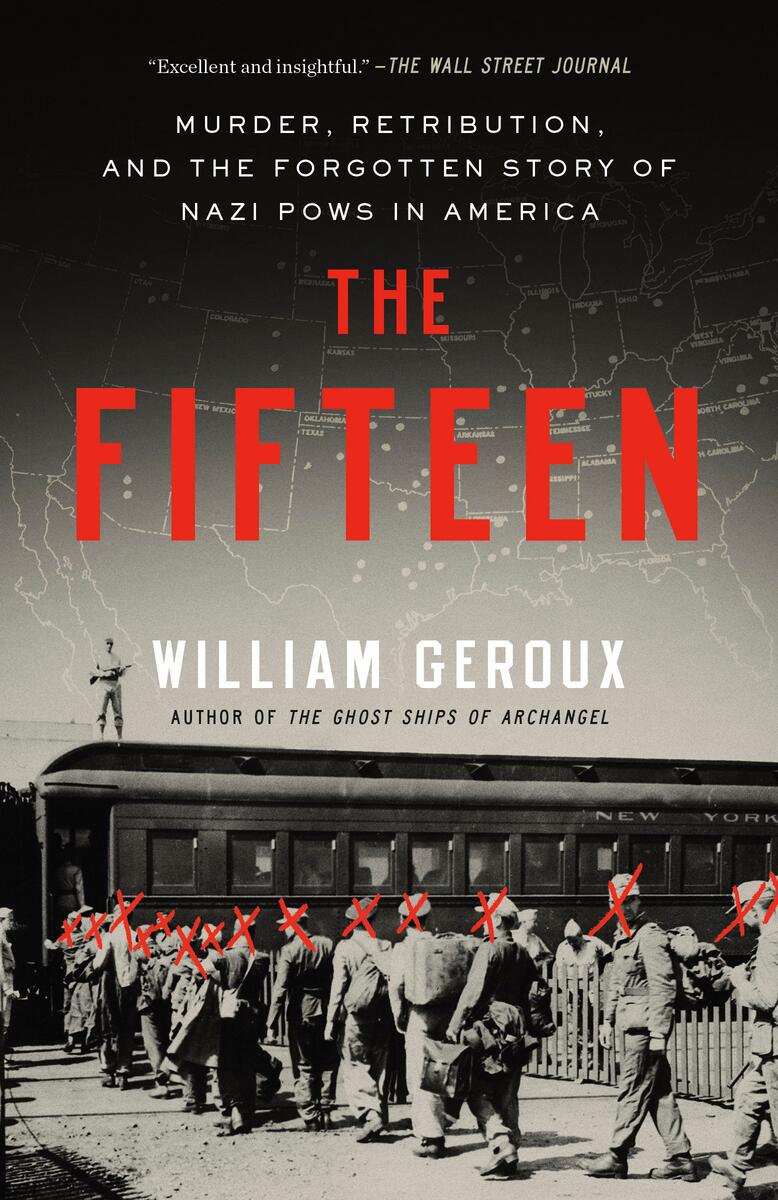
The Fifteen: Murder, Retribution, and the Forgotten Story of Nazi POWs in America
Crown Sold by Crown · San Antonio — delivered by Jockey courier today by 8 PM $23.00 + $9.99 delivery
The Future Is Peace: A Shared Journey Across the Holy Land
Crown Sold by Crown · San Antonio — delivered by Jockey courier today by 8 PM $30.00 + $9.99 delivery
The Havana Syndrome: Secret Weapons, a Government Cover-Up, and the Greatest Spy Mystery of Our Time
Crown Sold by Crown · San Antonio — delivered by Jockey courier today by 8 PM $33.00 + $9.99 delivery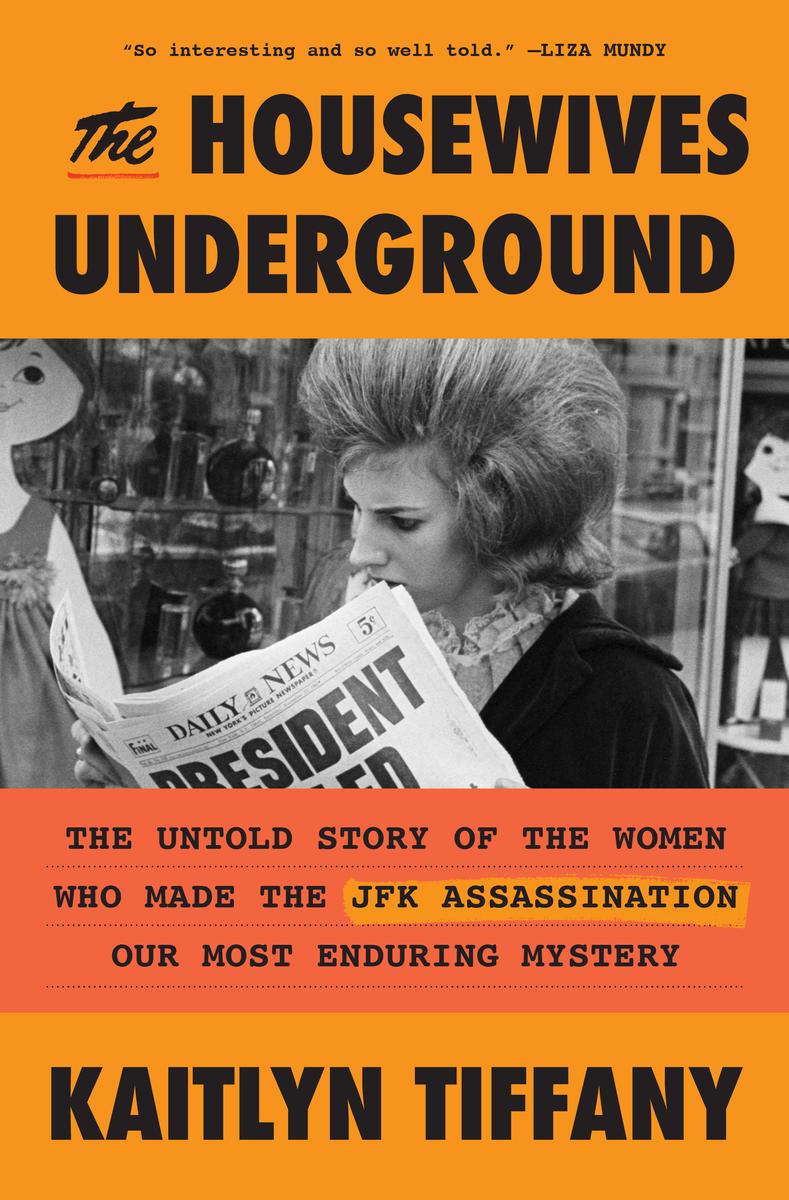
The Housewives Underground: The Untold Story of the Women Who Made the JFK Assassination Our Most Enduring Mystery
Crown Sold by Crown · San Antonio — delivered by Jockey courier today by 8 PM $35.00 + $9.99 delivery
The Library at Mount Char: A Novel
Crown Sold by Crown · San Antonio — delivered by Jockey courier today by 8 PM $19.00 + $9.99 delivery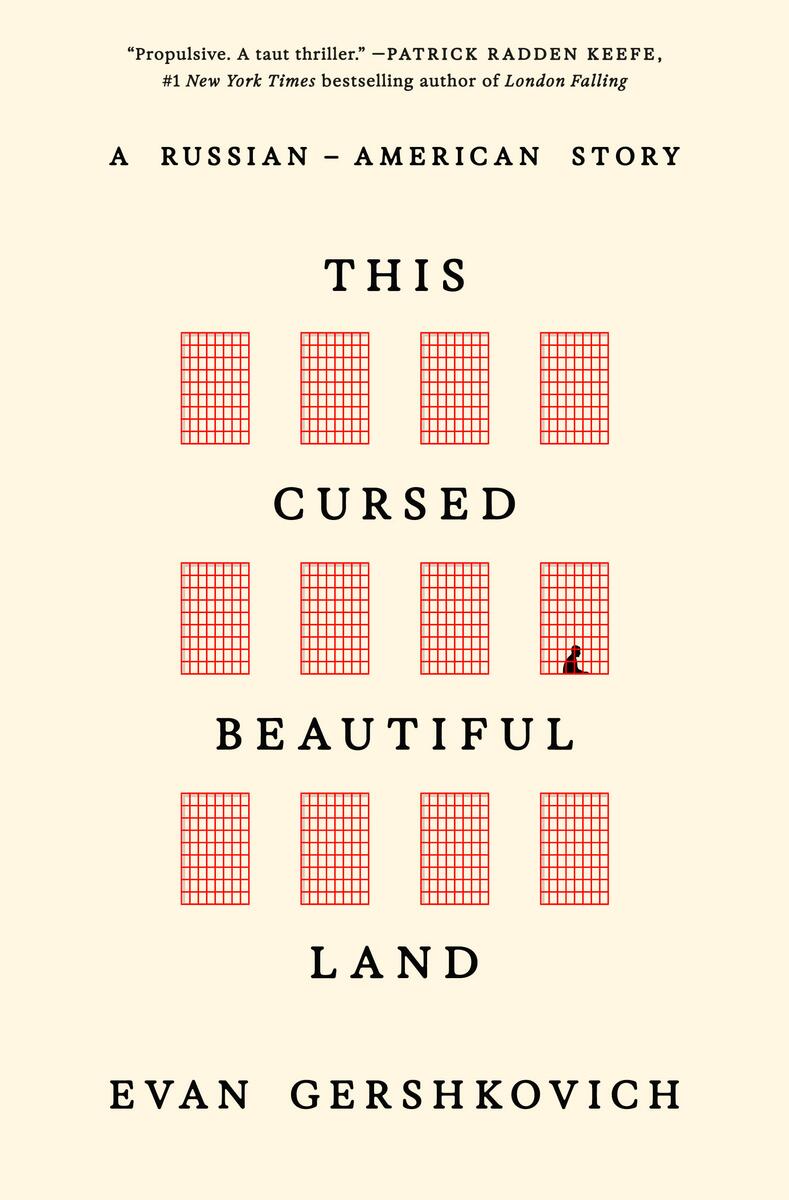
This Cursed Beautiful Land: A Russian-American Story
Crown Sold by Crown · San Antonio — delivered by Jockey courier today by 8 PM $34.00 + $9.99 delivery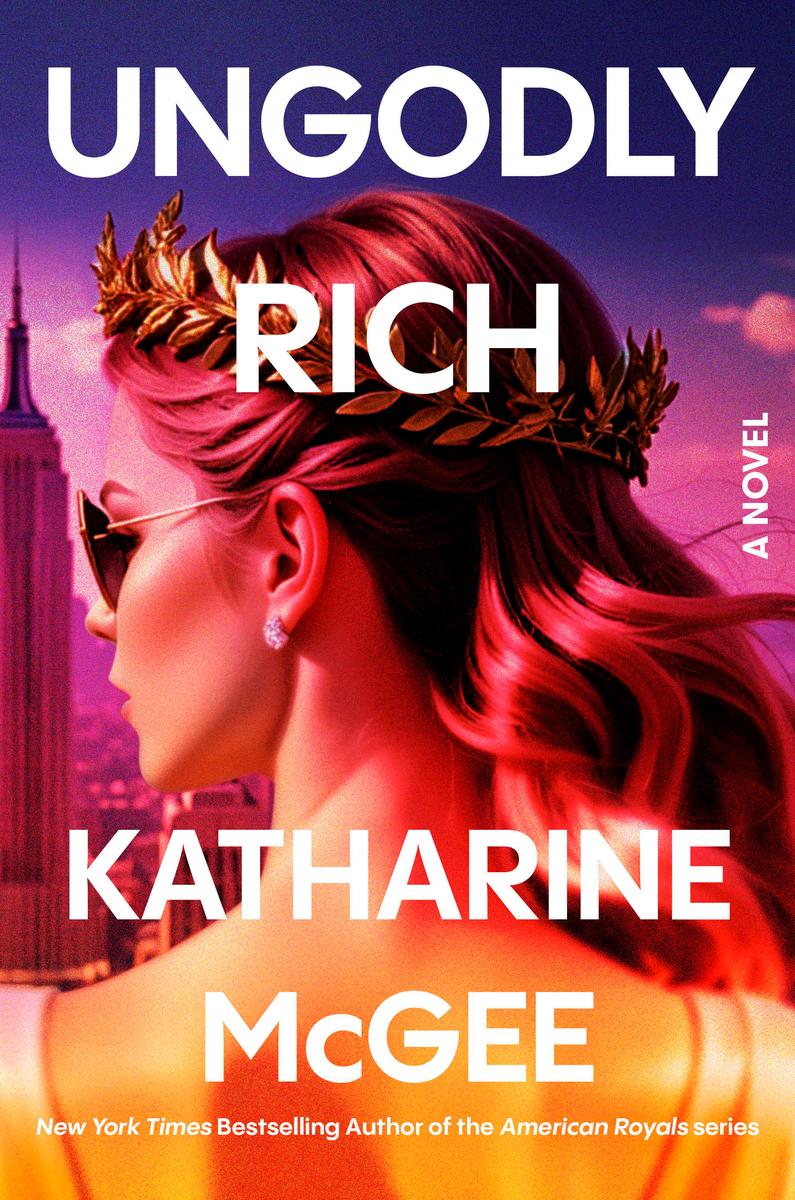
Ungodly Rich: A Novel
Crown Sold by Crown · San Antonio — delivered by Jockey courier today by 8 PM $29.00 + $9.99 deliveryMore in Print Books

The Disney Villains Cookbook
Penguin Random House Sold by Penguin Random House · San Antonio — delivered by Jockey courier today by 8 PM $17.99 + $9.99 delivery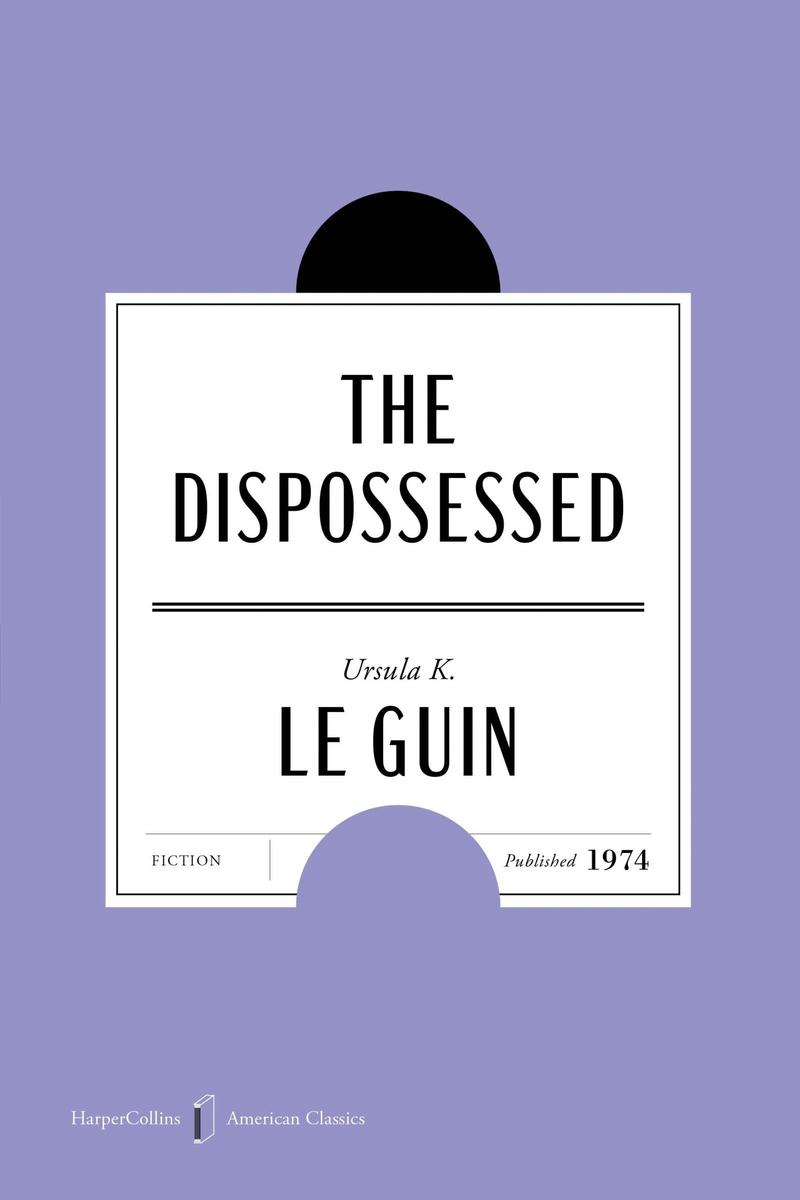
The Dispossessed American Classics Edition: A Novel
Harpercollins Sold by Harpercollins · San Antonio — delivered by Jockey courier today by 8 PM $20.00 + $9.99 delivery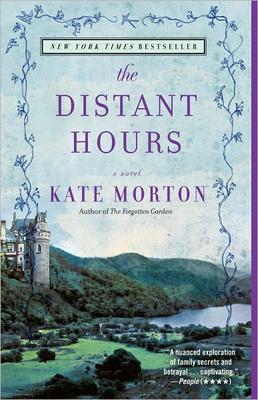
The Distant Hours: A Novel
Atria Books Sold by Atria Books · San Antonio — delivered by Jockey courier today by 8 PM $20.00 + $9.99 delivery
The Divorce
Sourcebooks Sold by Sourcebooks · San Antonio — delivered by Jockey courier today by 8 PM $18.99 + $9.99 delivery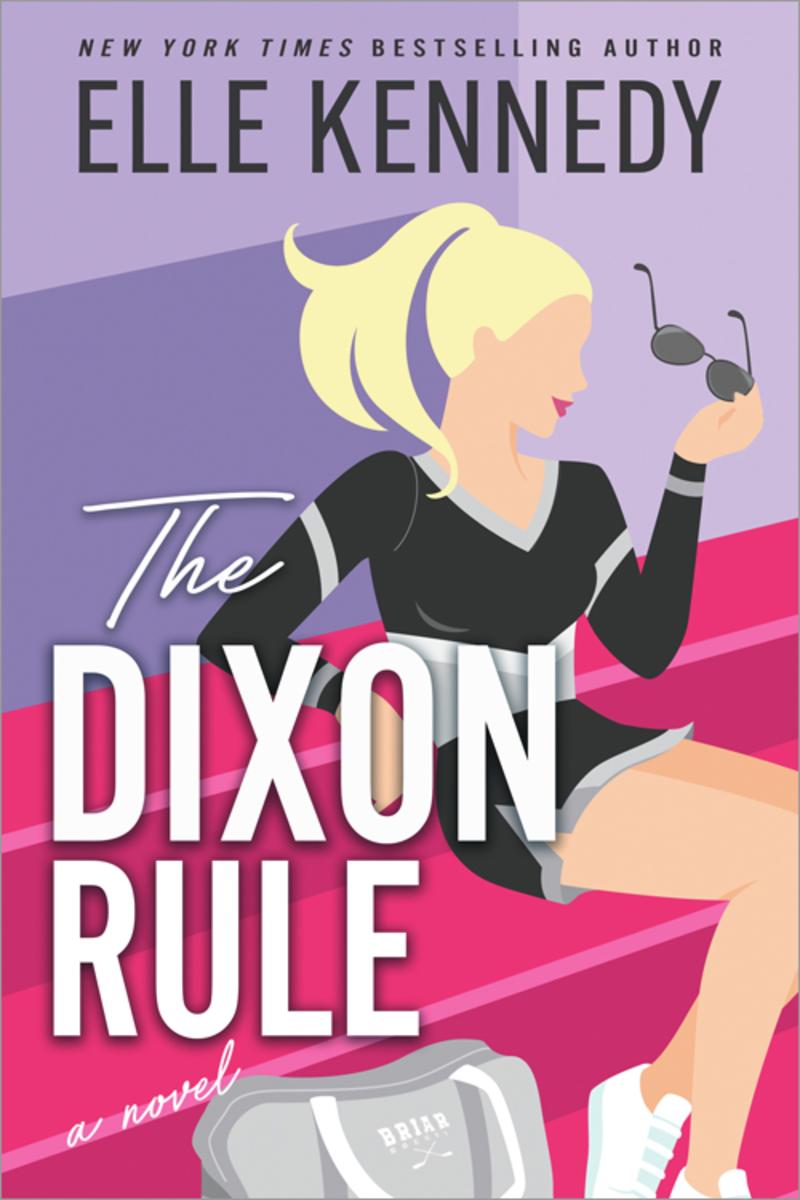
The Dixon Rule
Sourcebooks Sold by Sourcebooks · San Antonio — delivered by Jockey courier today by 8 PM $17.99 + $9.99 delivery
The Dog Knight
Feiwel & Friends Sold by Feiwel & Friends · San Antonio — delivered by Jockey courier today by 8 PM $14.99 + $9.99 delivery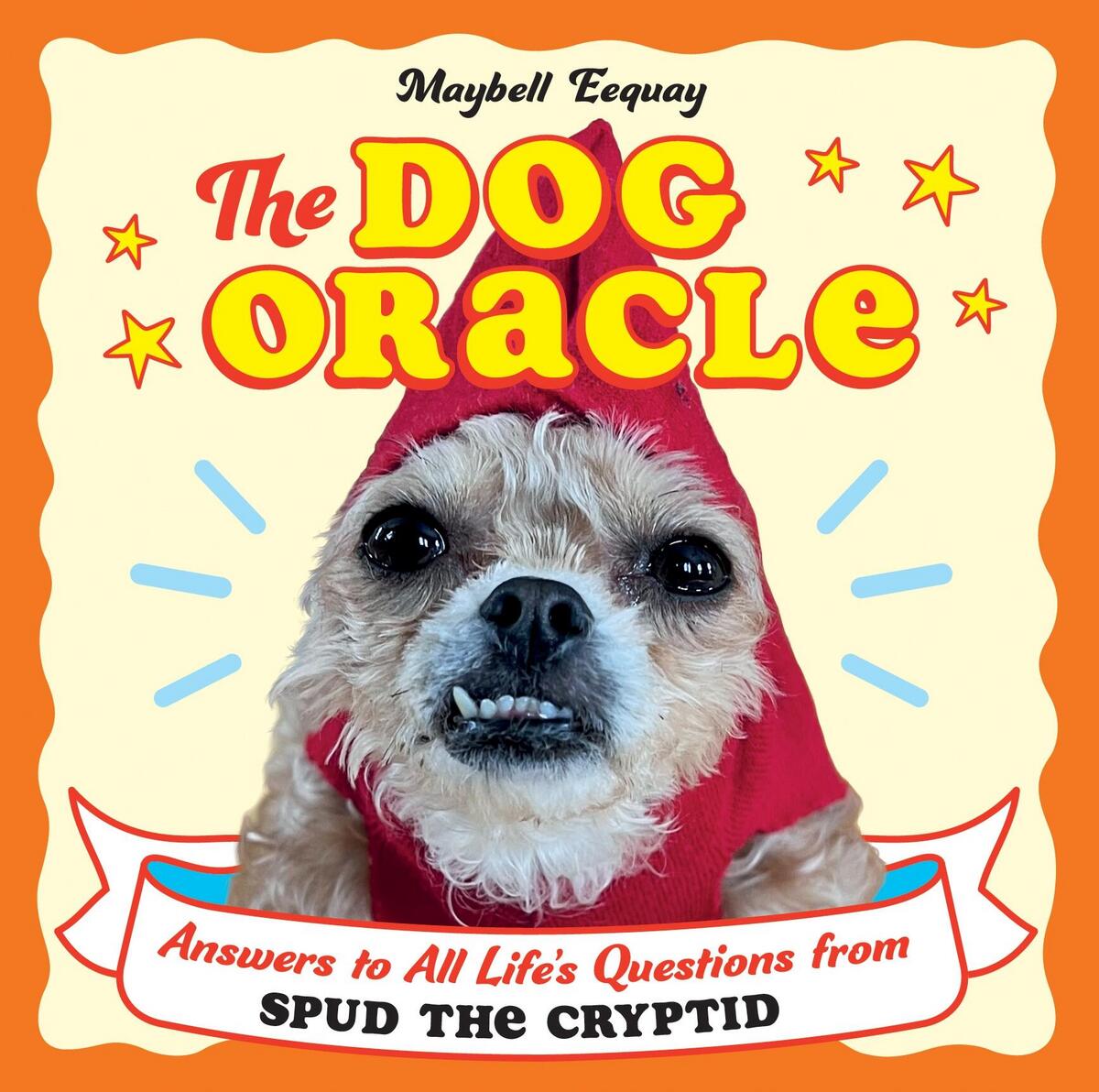
The Dog Oracle: Answers to All Life's Questions from Spud the Cryptid
Summersdale Sold by Summersdale · San Antonio — delivered by Jockey courier today by 8 PM $13.99 + $9.99 delivery